
Leak Detection & Repair
Protect Your Pool From Hidden Leaks
A pool in North Texas normally loses about a quarter inch of water a day to evaporation in summer. Losing an inch or more a day, or losing water steadily through cool weather, points to a leak. Pat’s Pool and Patio locates leaks by isolating the system, pressure testing each line, dye testing the shell, and using acoustic equipment to locate leaks underground.
What We Repair
Light niche and conduit leaks
Water gets behind the fixture and travels the conduit. Frequently missed by people who only look at the plumbing.
Return and suction line breaks
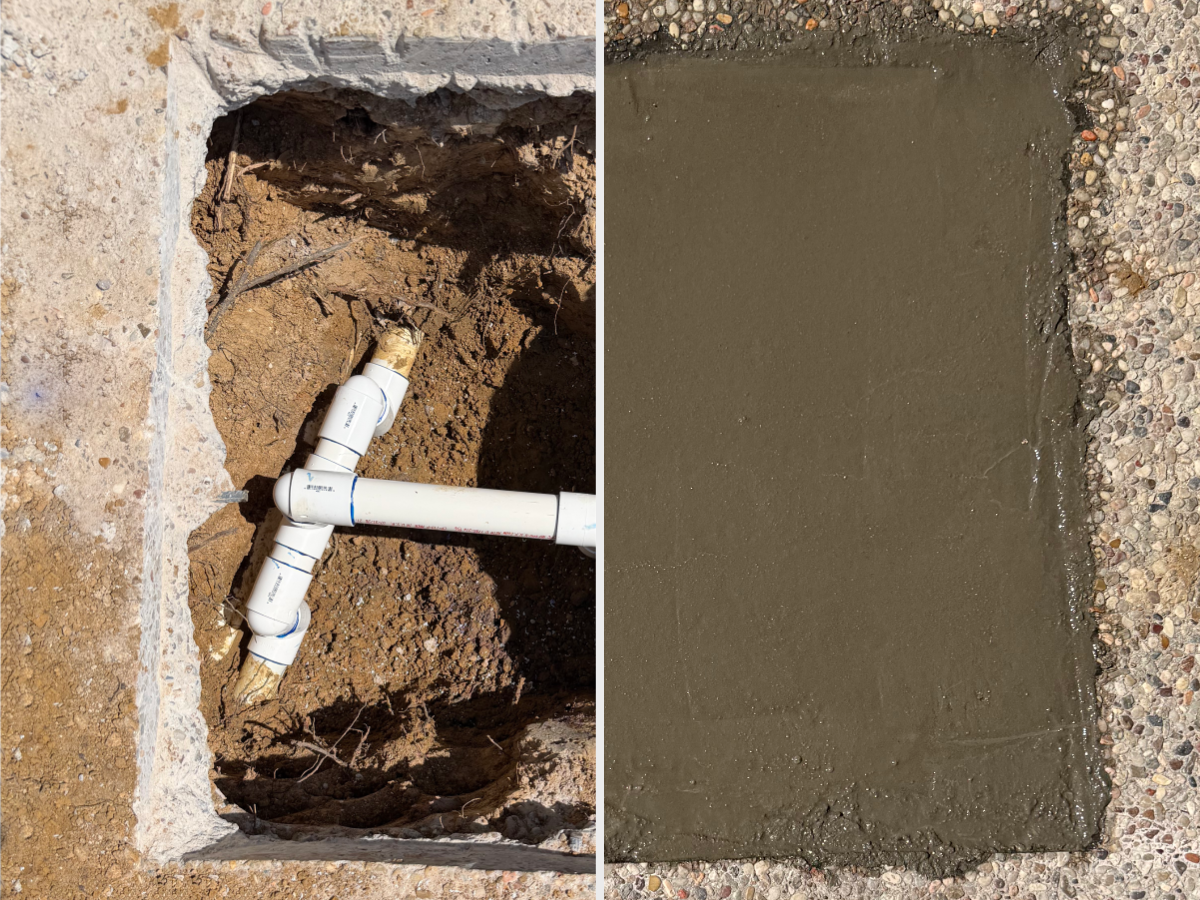
Located, opened up, repaired, and the surrounding area put back.
Skimmer leaks
Skimmers crack where the throat meets the body and where they tie into the deck. Very common, very fixable.
Valve and equipment pad leaks
Sometimes a leak isn’t near the pool at all, it could be at your equipment pad.
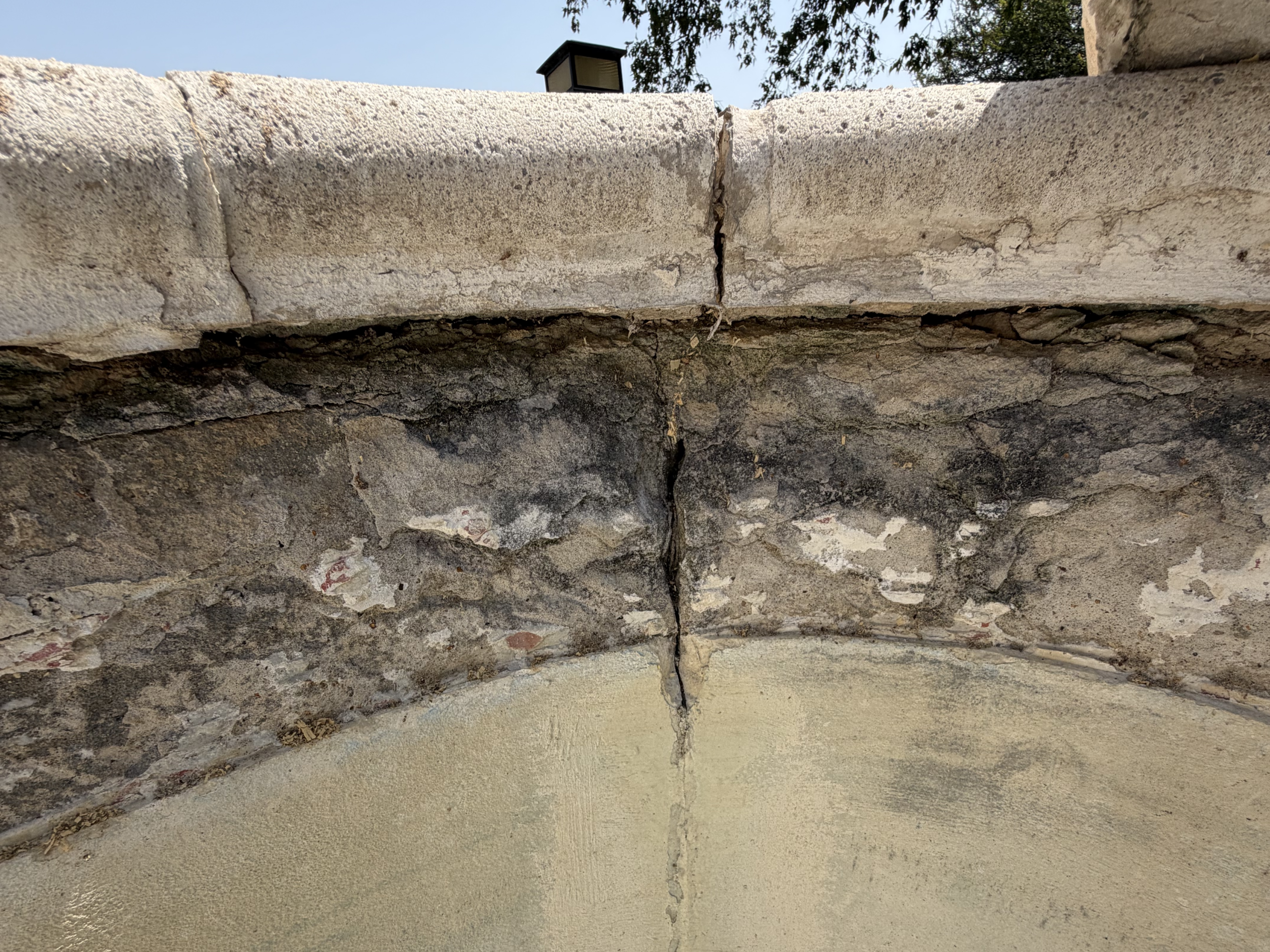
Shell and structural cracks
Repaired properly, which for anything beyond a hairline means addressing the crack rather than skimming over it. If the finish is at the end of its life anyway, this is often the moment a resurface makes sense, because the shell is already drained and exposed.
Return fittings and fixtures
Failed gaskets and separated fittings.
How Do You Find a Pool Leak?
Process of elimination, in order. We do not start digging.
Isolate the System
We separate the shell from the plumbing. If the pool holds water with the lines isolated, the leak is in the plumbing. If it drops anyway, it is in the structure.
Pressure test the lines
Each line gets pressurized and watched individually: returns, skimmer, main drain, cleaner line, spa lines. A line that will not hold pressure tells us which one failed, and pressurizing it makes the failure point findable.
Dye testing
For suspected shell leaks, dye at the suspect point shows exactly where water is moving. Cracks, light niches, skimmer throats, return fittings, and tile line are the usual suspects and each fails in characteristic ways.
Listening equipment
Underground pressurized leaks make noise. Acoustic gear locates the escaping water under the deck so we open the smallest possible area rather than guessing across the yard.
We tell you what we found
Plain language, with a number, before anyone starts. If there is no leak, and sometimes there is not, we tell you that too and you pay for the detection rather than a repair you did not need.
Signs That Your Pool is Leaking
Your chemistry will not hold no matter what you put in it.
Air bubbles from the returns, or the pump losing prime.
A persistently soggy or unusually green patch of yard near the pool or the equipment pad.
Cracks or shifting in the deck, coping separating from the shell, or tile falling off at the water line.
The water always settles at the same level and stops, which usually points at whatever fitting sits at that height.
You are adding water more often and cannot point to a reason.
The auto-fill runs constantly, or your water bill climbed with no change in the household.
Leak Detection & Repair FAQs
Detection is quoted as its own service, separate from whatever repair it turns up, because they are different jobs and you deserve to know the cost of each before you commit.
Contact
Have questions about pool maintenance, custom patio builds, or scheduling a service consultation? Reach out to the Pat's Pool and Patio team today. We are here to help bring your outdoor oasis to life!